
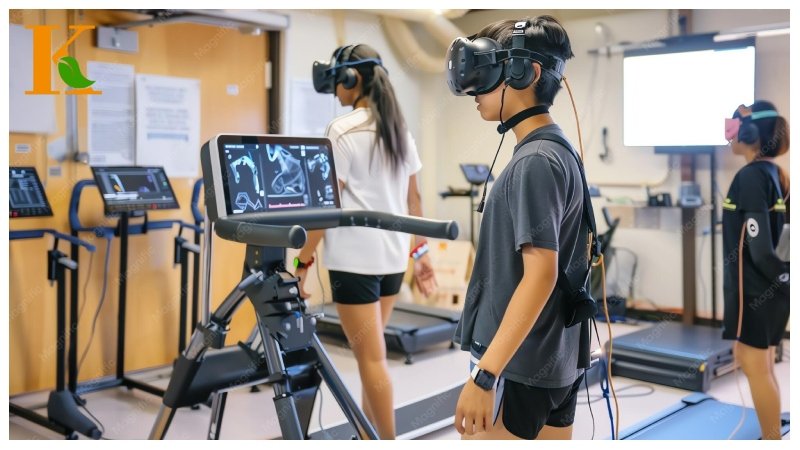
Sports technology has changed dramatically in recent years. Tools that once seemed experimental, including artificial intelligence, wearable sensors, virtual reality, and advanced data analytics, are now becoming part of everyday training and competition.
In 2026, professional teams and elite athletes use technology to understand performance, manage workloads, improve decision-making, and create more engaging experiences for fans. Etruesports Tech focuses on these developments and highlights how emerging technologies are changing the way modern sports are played, analyzed, and experienced.
Real-Time Data and Wearables for Better Athlete Performance
Athletes have traditionally relied on coaches, video analysis, and personal experience to improve performance. Today, wearable technology provides another valuable source of information.
Modern devices can track metrics such as speed, distance, heart rate, movement patterns, workload, recovery, jump performance, and other physical indicators. GPS trackers, smart watches, sensor-equipped clothing, and smart insoles allow coaches to collect information during training sessions and competitions.
Companies such as Catapult, STATSports, Whoop, Oura, and Plantiga have developed technologies designed to provide detailed performance and recovery insights.
Coaches can use this information to create more personalized training programs. Instead of applying the same workload to every athlete, they can adjust training based on individual performance and recovery data.
This approach can also help teams identify signs of excessive workload and make adjustments before fatigue becomes a larger problem.
Fan Engagement Through AR, VR, and Interactive Technology
Technology is also changing the way fans experience sports.
Augmented reality can add live statistics, player information, tracking data, and visual explanations to broadcasts and mobile applications. Fans can see more than the traditional game view and gain additional context while watching an event.
Virtual reality offers another level of immersion. Depending on the platform, fans can experience sports from simulated courtside or field-level perspectives. These technologies can make watching a game more interactive and appealing, particularly for younger audiences who are already familiar with immersive digital experiences.
Sports applications are also becoming more interactive. Live predictions, player comparisons, statistics, instant highlights, and personalized content allow fans to participate rather than simply watch.
Read more: G15Tools Com Gadget: Free Online Tools & Easy Gadget Reviews Guide 2026
How Data Analytics Is Changing Sports Strategy
Data has become one of the most important resources in modern sports.
Teams collect information from matches, training sessions, video footage, scouting reports, and wearable devices. Analytics platforms can process this information to identify patterns that may not be obvious through traditional observation.
Coaches can study player performance over time, evaluate opponents, analyze tactical tendencies, and identify areas that need improvement. Scouts can also combine historical statistics with physical and performance data when evaluating potential players.
During competitions, rapidly processed data can help teams understand what is happening and make more informed tactical decisions.
The goal is not to replace coaches or athletes. Instead, analytics gives them additional information that can support better decisions.
Wearable Technology Has Become Part of Training
Wearable technology is no longer simply a new sports gadget. For many professional athletes and teams, it has become a regular part of training and performance management.
GPS systems can measure movement and workload, while smart insoles can provide information about foot pressure and movement. Other devices focus on heart rate, sleep, recovery, and overall physical activity.
The biggest advantage is the ability to collect objective information over time. A single training session may not reveal much, but data collected across weeks or months can help identify meaningful performance trends.
This information can help coaches manage training intensity, monitor recovery, and make more informed decisions about an athlete’s workload.
Read more: OneLaunch: A Complete Guide to the All-in-One Desktop Tool
VR and AR for Training and Simulation
Virtual reality can give athletes a safe environment in which to practice specific situations repeatedly.
For example, athletes in decision-heavy positions can use simulated scenarios to improve reaction time, spatial awareness, and tactical decision-making without the physical demands of a full training session.
Quarterbacks, goalkeepers, and other athletes can benefit from simulations that reproduce game situations and require them to make quick decisions.
Augmented reality can complement this approach by displaying information directly within a training environment. Coaches can use visual feedback to explain positioning, movement, technique, or tactical choices.
These technologies can also support youth development by helping athletes understand complex situations in a more visual and interactive way.
Artificial Intelligence in Sports Performance
Artificial intelligence is becoming one of the most influential technologies in sports.
AI systems can analyze large amounts of information from video, wearables, medical records, training sessions, and historical performance. By combining these sources, teams can identify patterns and generate insights that would be difficult to discover manually.
Computer vision, for example, can analyze movement and technique from video. Machine-learning models can help identify performance trends and potential areas of concern.
AI can also support tactical analysis. Teams can study opponent behavior, identify recurring patterns, and explore different strategic scenarios.
Beyond training, artificial intelligence is being used for scouting, automated video analysis, personalized content, and highlight generation.
The technology is still developing, but its ability to process large datasets quickly makes it an increasingly important tool for sports organizations.
Read More: Why Choose Techoelite Software Patches for Better Security?
What Etruesports Tech Highlights About the Future
The next stage of sports technology will likely focus on bringing different systems together.
Instead of keeping wearable data, video analysis, recovery information, and performance statistics in separate platforms, teams are increasingly looking for connected systems that provide a broader view of an athlete or team.
Emerging areas include smart textiles, flexible sensors, digital twins, AI-powered coaching tools, automated motion analysis, and personalized recovery technologies.
Digital twins are particularly interesting because they can create data-based representations of athletes or sporting environments. These models can potentially help teams simulate scenarios and evaluate different approaches before applying them in real-world situations.
However, technological progress also creates challenges. Sports organizations must consider athlete privacy, data security, device accuracy, compatibility, cost, and access to technology.
The Future of Sports Technology in 2026 and Beyond
Sports technology is moving from individual tools toward connected ecosystems.
AI can analyze data, wearable devices can collect it, analytics platforms can interpret it, and immersive technologies can turn it into useful experiences for athletes, coaches, and fans.
The biggest opportunity may come from combining these technologies rather than relying on one tool alone. When performance, recovery, video, and tactical information work together, teams can develop a more complete understanding of their athletes and competitions.
For athletes, this can mean more personalized training. For coaches, it can provide better information for decision-making. For fans, it can create deeper and more interactive ways to follow their favorite sports.
Read more: FintechZoom Best VPN: The Ultimate Guide to Online Security
Conclusion
Technology has become an important part of modern sports. Wearables provide detailed performance information, analytics help teams understand complex data, AI supports decision-making, and AR and VR are creating new ways to train and experience competitions.
Etruesports Tech provides a useful perspective on these developments by focusing on how technology is influencing athlete performance, team strategy, and fan engagement.
As these technologies continue to develop, sports will become increasingly data-driven, connected, and interactive. The future of sports technology is no longer something distant—it is already becoming part of the modern sporting environment.