
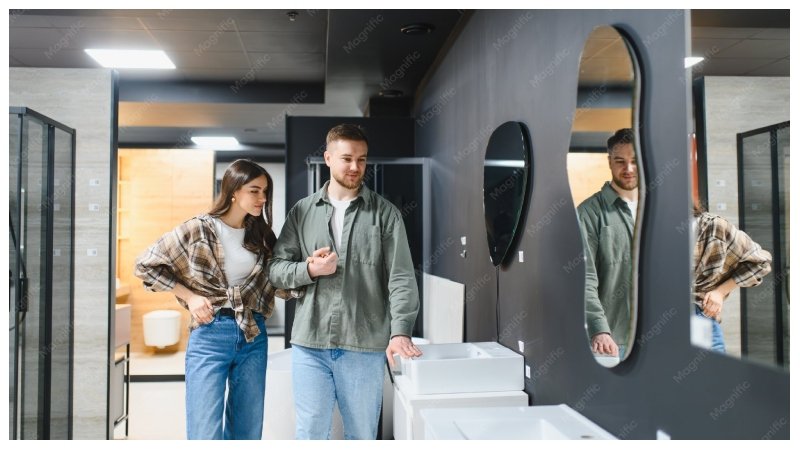
Choosing reflective materials for interiors, displays, and creative projects involves more than appearance. Weight, safety, ease of installation, and maintenance can all influence the final decision. An acrylic mirror provides a versatile alternative to conventional glass mirrors, combining an attractive reflective finish with the practical characteristics of acrylic. From residential interiors to retail displays and event decorations, it can suit a broad range of Australian applications.
Key Benefits for Everyday Applications
One of the main advantages of mirrored acrylic is its lightweight construction. Compared with traditional glass, it is easier to handle, transport, and position, which can simplify installation. It also offers greater resistance to impact and does not typically break into the sharp splinters associated with ordinary glass mirrors.
Its versatility is another important benefit. Mirrored acrylic can be cut, drilled, and shaped using suitable tools, allowing panels to be adapted to different project requirements. Silver provides the familiar appearance of a conventional mirror, while gold and rose-gold finishes can add a decorative element to creative interiors, signage, and displays.
Where Can an Acrylic Mirror Be Used?
A high-quality acrylic mirror can be used across residential, commercial, and creative environments. Common applications include home decorating, retail fit-outs, signage, exhibitions, craft projects, security mirrors and selected gym or studio installations.
For retail spaces, reflective panels can help create visually engaging displays without introducing the same weight as traditional glass. In homes, they may be incorporated into decorative wall features, furniture projects, or hobby applications. They are also useful for events, where custom-cut shapes, lettering, and decorative features can create an eye-catching finish.
Installation Matters
Mirrored acrylic performs best when fixed to a firm, smooth, and flat substrate. Because acrylic is more flexible than glass, an uneven supporting surface may cause visible distortion in the reflection. Suitable adhesives or double-sided tapes should be selected carefully, and compatibility with the mirror backing should always be checked before installation.
The protective film should remain in place while cutting, drilling, and installing the sheet to reduce the risk of scratches and surface damage.
Caring for Mirrored Acrylic
Proper cleaning helps maintain the reflective appearance. Use water, mild dish soap, and a soft microfibre cloth rather than abrasive materials or harsh cleaning chemicals. Acrylic surfaces can scratch more easily than glass, so gentle handling is essential.
Customers planning custom projects can explore the broader range available from Plastic Warehouse and consider the appropriate finish, dimensions, and fabrication requirements for their intended application.
Summary
Mirrored acrylic offers a useful combination of lightweight handling, impact resistance, fabrication flexibility, and decorative appeal. Whether used for home improvements, retail displays, signage, studios, or creative projects, choosing the right product and installing it on a flat, stable surface can help achieve an attractive and practical result.