
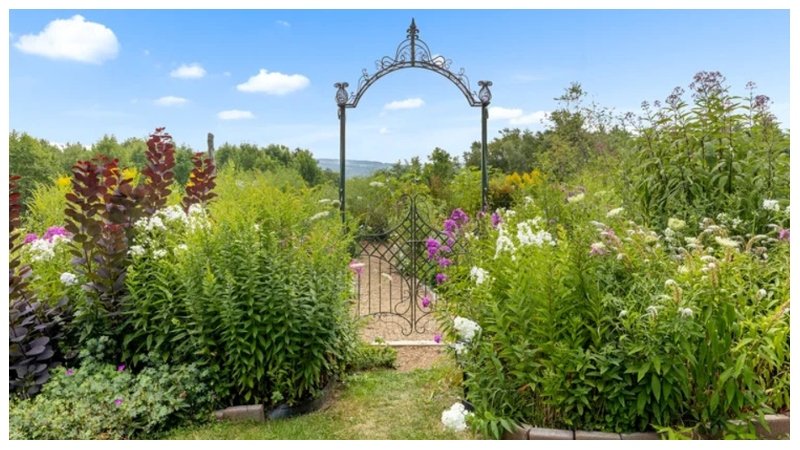
Food can be an important part of any retreat experience, particularly when the setting is surrounded by gardens, farmland, orchards, or local producers. Farm-to-table experience is the act of linking food and its source. Rather than the food being served or a plate simply being placed in front of them, guests might be given a chance to find out where the food comes from and how it is cultivated, gathered, cooked, and consumed.
For many farm retreats it can start right on the property. Visitors can spot vegetables in their gardens, herbs growing, fruit picking, or other locally grown food items being cooked for dinner.
It Often Starts with Seasonal Ingredients
The emphasis of a farm-to-table approach typically is on ingredients that are in season. Meals are not served exclusively the same each year, but depending on what is available locally. For instance, vegetables, herbs, fresh fruit, or other ingredients from the farm or local producers can be used for a retreat. The seasonality of the ingredient may affect the menu and bring new ingredients to the table with each season.
This also means that the dining experience could be different each stay, depending on the season.
Ingredients May Come Directly from the Farm
A key element of a farm-to-table experience is the connection between the farm and the kitchen. There may be a short journey between growing and eating when the ingredients are grown or sourced close to home.
Views into gardens, information on various crops or observation of the growing of different ingredients may be provided. Depending on the property and the activities available, some retreats may also provide the opportunity to participate in activities, like vegetable harvesting or herb picking.
These experiences can help foster a deeper appreciation for food among guests.
Meals Are Prepared Around Available Produce
Once ingredients have been picked or obtained, they may be used in the food served at the retreat. After picking, ingredients can be included in the food served at the retreat. Cooking may occur without a set menu, as dishes can be prepared as per the ingredients available and not a pre-existing recipe.
Fresh vegetables can be added to salads, soups, main courses, or side courses, and herbs can be used to flavor various meals. Fruits grown locally can be eaten at breakfast, dessert, or in beverages.
The menu and ingredients will vary from retreat to retreat, depending on the season and availability. This versatility can be a key reason why farm dining is unique from the typical restaurant setting.
Guests May Take Part in Food Activities
Some farm retreats offer opportunities for guests to be more involved with the food experience. This can be a gardening time, picking time, cooking class, or local ingredients demonstration.
A guest could spend an hour or more collecting herbs or vegetables and then be served dishes that include the same at the end of the day. Cooking can also be used to teach children about how food is prepared, what they can make, and how food is used in their community.
The amount of participation will depend on the retreat, but these activities can make the experience interactive.
Local Producers Can Also Be Part of the Experience
It is not always on the same retreat that all the produce is grown. Some properties also have the flexibility to work with local food producers, growers, and farms.
The ingredients can be sourced from neighboring farms or from local suppliers, depending on the location. This may be local produce or dairy items, breads, honey, preserves, or other fresh foods.
A retreat can also feature locally sourced ingredients, offering guests a taste of the local food and agriculture culture.
The Dining Experience Can Be More Relaxed
A retreat is not just about the food served in a dining area. A farm setting can make meals more enjoyable. Guests can have breakfast outdoors and share meals together. They can also enjoy food while looking at a garden or open landscape.
Meals can become part of the retreat experience. They do not have to feel like breaks between activities. A relaxing setting gives guests more time to sit and connect. It also allows them to enjoy their food without feeling rushed.
This is a slower way that can be especially attractive to visitors who want to escape from their busy lives.
Final thoughts
A farm-to-table experience at a retreat can connect guests with food in a more direct and engaging way. It can be an integral part of the stay, from viewing the ingredients growing to eating the food made with locally sourced or farm-grown ingredients.
Food can be another way to experience the property, the surrounding landscape, and the community for visitors exploring farm retreats. A farm to table experience can be an enriching addition to an escape weekend, whether you are picking food yourself, attending a cooking class or simply eating what’s grown at the farm.