
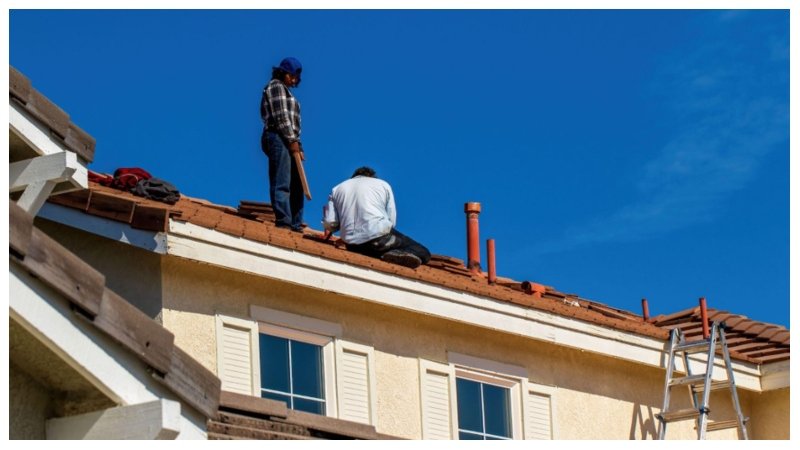
Oklahoma has never been shy about its weather. You’ll sweat through a month of triple-digit heat, then find yourself watching hail the size of golf balls hammer everything in the yard. That swing between extremes makes for good storm coverage, sure. But for anyone who owns property here, it does something quieter and more expensive: it wears your roof down a little more every year.
Here’s the reassuring part. Once you know what’s actually happening above your head, you can spot trouble early, plan for repairs before they balloon, and get a feel for when it’s worth bringing in help. Let’s walk through what this climate really does to your roof.
What Makes Oklahoma’s Weather So Hard on Roofs?
Not many states pack this much into twelve months. Summer alone delivers heat and UV radiation strong enough to break roofing materials down at the molecular level. Give it time and your shingles will turn brittle, then start dropping the protective granules that keep them doing their job.
Hail is the next headache. A big chunk of the state sits inside a region people call “Hail Alley,” and serious hailstorms roll through nearly every year. What makes hail sneaky is how well the damage hides. The cracks and bruises you’d never notice from the driveway are still quietly weakening your roof.
Then you’ve got wind. Gusts that can lift, bend, or tear roofing loose aren’t rare surprises around here—they’re just part of the calendar. Add heavy rain and the odd ice storm, and your roof’s waterproofing almost never gets a day off.
The threat most people overlook, though, is temperature swings. When a roof bakes through the afternoon and then cools fast overnight, it expands and contracts, over and over. Enough years of that movement will loosen fasteners, crack seals, and push along wear that might otherwise take decades to surface.
How Different Roofing Materials Hold Up
Materials don’t all take the abuse the same way, so it pays to know where your particular roof is soft.
- Asphalt shingles are the popular pick statewide, and they absorb most of the UV punishment. The sun makes them brittle, wind grabs their edges and peels them up, and once winter arrives, that brittleness leaves them cracking.
- Metal roofs shrug off wind and hail better than most, but they’re not invincible. Let the protective coating wear thin, and moisture from rain or humidity can start corrosion. Large hail still leaves dents, too. One thing worth knowing: some homeowners notice rain sounds a lot louder inside.
- Flat roofs bring their own problem. With barely any slope, water pools after our downpours, which speeds up decay and raises the odds of leaks. Toss in long stretches of direct sun, and these systems really do need watching more closely than sloped ones.
- Wood shakes have gotten rare, and they carry real risk. Moisture invites rot, and all that expanding and contracting eventually splits and cracks the wood.
Protecting Your Roof Against Oklahoma’s Extremes
With wear stacking up this fast, regular inspections stop being optional and become something closer to basic upkeep. Catch the small stuff early—a lifted shingle, a bit of hail bruising—and you keep it from turning into a leak that ruins your week. That’s often the gap between a quick patch and a bill running into the thousands.
This is also where a seasoned Moore roofing contractor proves useful. Someone who knows the local weather can tell you which materials actually hold up to the heat-hail-wind combination, and they’ll spot the early warning signs long before you would.
Your roof works hard every single day, and after everything Oklahoma throws its way, a little planning goes a long way. Book inspections on a schedule, handle storm damage while it’s still small, and pick materials suited to the conditions here. Do that, and you’ll stretch your roof’s life and protect what you’ve put into it for years to come.