
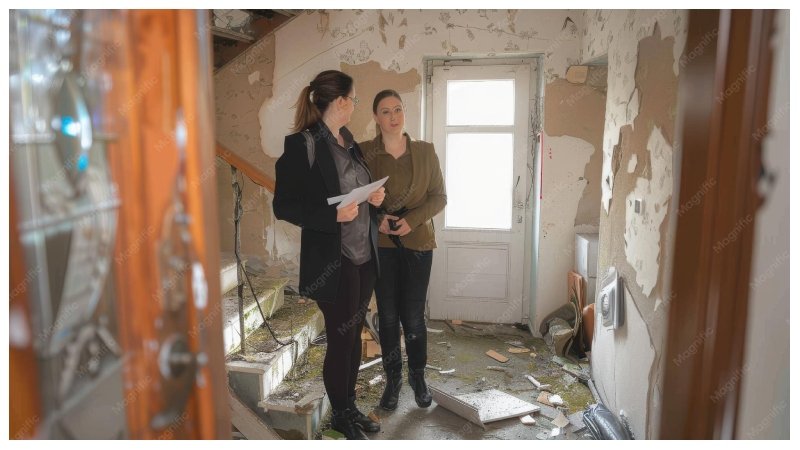
Home renovations can improve comfort, function, and property value, but the debris they create can quickly become difficult to manage. Old cabinets, flooring, drywall, trim, fixtures, packaging, and broken materials may pile up faster than homeowners expect.
Without a cleanup plan, waste can spread into garages, driveways, yards, and rooms that are not part of the project. Keeping debris under control from the beginning helps protect the property and makes the renovation easier to manage from one phase to the next.
Plan for Waste Before Demolition Starts
Cleanup should be part of the renovation plan, not something saved for the end. Before work begins, consider what materials will be removed and how much space they may require once they are no longer installed.
A bathroom remodel may generate tile, drywall, fixtures, and cabinetry, while a larger kitchen demolition can create cabinets, countertops, flooring, appliances, and wall materials.
Thinking through these materials early helps homeowners choose a practical disposal method before debris begins accumulating.
Clear the Work Area First
Removing furniture, decorations, storage items, and other belongings before construction begins gives crews more room to work and protects household items from damage.
Nearby hallways and pathways should also be kept open so debris can move out of the home without creating additional clutter.
Starting with a clear workspace makes it easier to distinguish construction waste from materials that still need to be installed or saved.
Establish One Debris Collection Point
One of the easiest ways to prevent renovation waste from taking over the property is to give it one designated destination.
Instead of creating temporary piles in several rooms, the garage, and the backyard, move debris directly to a central disposal location. For projects producing substantial amounts of waste, homeowners may use a provider such as Waste Removal USA to maintain an on-site collection option throughout the renovation.
A centralized system reduces repeated handling and makes the site easier to keep organized.
Remove Debris in Stages
Waiting until demolition is completely finished often creates unnecessary clutter. A better approach is to clear debris after each major stage of the project.
Old flooring can be removed before new flooring arrives. Cabinet debris can be cleared before installation begins. Drywall scraps can be taken out before painting or finishing work.
Stage-by-stage cleanup creates more usable workspace and helps each part of the renovation begin with fewer obstacles.
Keep New Materials Separate
Renovations often involve deliveries arriving while demolition is still underway. New flooring, cabinets, fixtures, trim, and other supplies should be stored away from debris whenever possible.
Keeping replacement materials separate protects them from damage and reduces the chance that usable items will be mistaken for waste.
Packaging should also be broken down as products are unpacked. Cardboard, plastic, foam, and wrapping materials can consume valuable space if they are allowed to pile up.
Stay Ahead of Small Debris
Large pieces usually get the most attention, but small debris can spread quickly. Nails, screws, wood fragments, broken tile, drywall dust, and packaging pieces can make walkways unsafe and create additional cleanup.
Regular sweeping or vacuuming helps prevent small materials from accumulating. Contractors and homeowners can also complete a quick cleanup at the end of each work session.
This is especially important when the home remains occupied during renovation.
Protect Unaffected Areas
Debris can easily spread beyond the project zone if removal routes are not planned carefully. Floor coverings can protect finished surfaces, while temporary barriers may help contain dust.
Homeowners should also avoid storing debris against landscaping, exterior walls, or finished surfaces that could be scratched or damaged.
Protecting unaffected spaces reduces the amount of repair and cleaning needed once construction ends.
Sort Reusable and Special-Handling Materials
Some removed items may still be useful. Cabinets, hardware, doors, fixtures, or leftover building materials may be suitable for reuse, donation, or resale.
These materials should be separated before demolition debris is mixed together. Paint, batteries, electronics, chemicals, and other restricted items may also require separate disposal.
Sorting early prevents unnecessary waste and reduces complications later in the cleanup process.
Renovation debris is much easier to control when cleanup happens throughout the project. Homeowners can prevent waste from taking over the property by planning disposal early, maintaining one collection point, clearing debris in stages, and keeping new materials separate.
A consistent cleanup routine creates a safer, more organized work area and makes it easier to move from demolition to installation without unnecessary delays.