
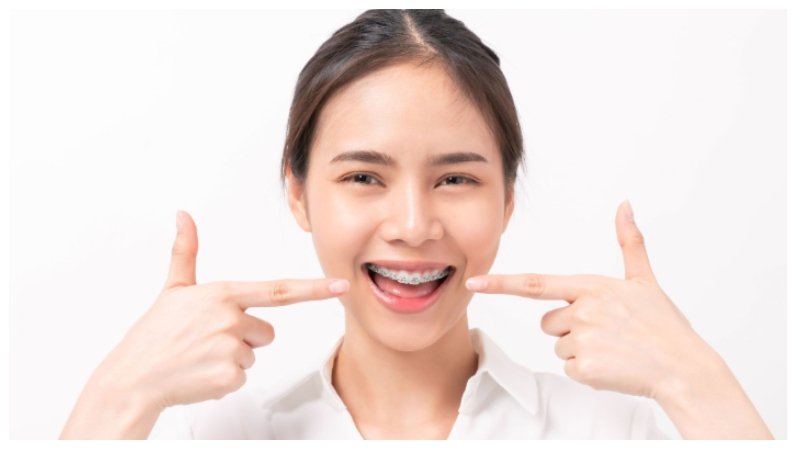
Not every dental problem can be solved with a filling, a whitening treatment, or a crown. Some issues live deeper than the surface of a tooth. They involve how teeth line up, how the jaw closes, and how the whole bite works together. These problems usually need orthodontic treatment, meaning braces, aligners, or other tools designed to actually move teeth and guide jaw growth.
This article looks at the specific dental issues that really can’t be fixed any other way and explains why orthodontics is the only realistic solution for each one.
Why Some Problems Need Movement, Not Just Repair
Fillings, crowns, and veneers are great at rebuilding damaged tooth structure. But they can’t shift a tooth’s position or fix how upper and lower teeth meet when you bite down. Once a problem involves alignment or bite function rather than just the shape of a single tooth, cosmetic fixes stop being enough. That’s where orthodontic treatment becomes necessary rather than optional.
Crowded Teeth
Crowding happens when there isn’t enough space in the jaw for all the teeth to sit in a straight, even line. This is one of the most common reasons people seek orthodontic treatment.
Why Fillings or Veneers Can’t Fix Crowding
Veneers can make crooked teeth look slightly straighter by reshaping their surface, but they can’t actually move a tooth into proper alignment. If teeth are seriously overlapping or twisted, adding a veneer on top just creates a thicker, less natural-looking cover rather than solving the actual spacing problem.
How Orthodontics Solves It
Braces or aligners gradually shift teeth into the available space, sometimes after a small amount of extra room is created through minor procedures like interproximal reduction, which slightly reduces the width between certain teeth to allow better spacing.
Large Gaps Between Teeth
Some patients have the opposite problem: teeth with noticeable spaces between them, often most visible between the two front teeth.
Why Bonding Alone Sometimes Isn’t Enough
Small gaps can sometimes be closed with bonding, but larger gaps often require more material than bonding can handle without looking bulky or unnatural. Multiple gaps across several teeth are even harder to fix cosmetically, since closing one gap with added material can throw off the spacing of the teeth next to it.
How Orthodontics Solves It
Braces or aligners physically move teeth closer together, closing gaps naturally rather than covering them with added material. This approach keeps the width and shape of each tooth looking proportional to the ones beside it.
Overbite and Underbite Issues
A bite problem refers to how the upper and lower teeth meet when the jaw closes. An overbite means the upper teeth extend too far over the lower teeth, while an underbite means the lower teeth sit in front of the upper ones.
Why Cosmetic Dentistry Can’t Fix Bite Problems
Crowns and veneers change the shape of individual teeth, but they can’t correct how the entire jaw meets. A dentist could theoretically reshape teeth to look more even, but this wouldn’t fix the actual jaw relationship, and it could create new problems with chewing or jaw strain.
How Orthodontics Solves It
Braces, aligners, and sometimes additional appliances gradually guide the teeth and, in some cases, the jaw itself into a more balanced position. Elastic bands are often used alongside braces or aligners to help pull the bite into better alignment over time.
Crossbite
A crossbite happens when some upper teeth sit inside the lower teeth instead of outside them, which is the opposite of a typical bite pattern. This can affect just a couple of teeth or extend across one whole side of the mouth.
Why This Needs More Than a Cosmetic Fix
A crossbite isn’t just a cosmetic issue. It can cause uneven wear on certain teeth, jaw discomfort, and even facial asymmetry if left uncorrected during childhood, when jaw growth is still happening.
How Orthodontics Solves It
Orthodontic treatment, sometimes combined with a jaw expander in younger patients, gradually shifts the affected teeth or widens the dental arch to correct the crossbite. This can only be done through controlled, gradual movement, which cosmetic dental work simply isn’t designed to do.
Open Bite
An open bite occurs when the upper and lower front teeth don’t touch at all when the back teeth are together. This can happen from genetics, prolonged thumb-sucking, or tongue-thrusting habits during childhood.
Why This Can’t Be Fixed With Restorative Dentistry
Since the problem is about how the teeth meet vertically rather than how they look individually, no filling, crown, or veneer can close that gap in a functional way.
How Orthodontics Solves It
Braces or aligners, sometimes combined with habit-correcting appliances for younger patients, gradually bring the front teeth back into contact. In some more severe adult cases, orthodontic treatment might be combined with jaw surgery for a complete fix.
Impacted or Blocked-Out Teeth
Sometimes a tooth doesn’t have enough room to erupt properly and gets stuck, either partially or fully, beneath the gum or bone. This often happens with canine teeth or wisdom teeth.
Why This Requires Movement, Not Restoration
An impacted tooth isn’t a shape or color problem. It’s a positioning problem, and no cosmetic treatment can guide a stuck tooth into its proper place.
How Orthodontics Solves It
In many cases, a dentist exposes the impacted tooth through a minor procedure, then an orthodontist attaches a small bracket to it. Over time, gentle force from braces gradually pulls the tooth down into its correct position in the dental arch.
Uneven Jaw Growth in Children
Sometimes the upper and lower jaw grow at different rates or in slightly different directions during childhood. This can lead to bite problems, crowding, or facial asymmetry if not addressed early.
Why Waiting for Adulthood Can Make Things Harder
Jaw growth is much easier to guide while a child is still growing. Once growth is complete, correcting the same imbalance later often requires more complex treatment, sometimes including surgery.
How Orthodontics Solves It
Early orthodontic treatment, often called interceptive treatment, uses appliances to guide jaw growth in the right direction while a child’s bones are still developing. This can prevent more serious bite problems from developing later on.
Why These Issues Specifically Need a Specialist
Crowding, bite problems, crossbites, and impacted teeth all require controlled movement over time. Orthodontic tools such as braces, aligners, and specialized appliances can guide that movement. Cosmetic treatments improve the appearance of individual teeth, but they do not guide teeth or jaws into proper alignment.
The Value of an Orthodontic Evaluation
A proper evaluation looks at more than just how teeth look side by side. It includes checking jaw alignment, bite function, and how teeth are positioned in three dimensions, not just from the front.
Someone dealing with a bite problem or noticeable crowding might benefit from visiting an orthodontist park ridge il patients trust for a full evaluation, since these specialists are trained specifically in diagnosing and correcting alignment and bite issues that go beyond general dental care.
When Combination Treatment Makes Sense
Sometimes a patient needs both orthodontic treatment and cosmetic dentistry to reach their final result. For example, someone with crowded, slightly discolored teeth might need braces or aligners first to fix the alignment, followed by whitening or bonding afterward to address the color and minor shape details.
This combined approach works because each type of treatment solves a different part of the problem. Orthodontics handles position and bite, while cosmetic dentistry fine-tunes appearance once the teeth are already properly aligned.
Real Patient Example
Picture a teenager with noticeably crowded front teeth and a mild crossbite on one side. A general dentist could technically reshape a couple of teeth to make them look slightly more even, but this wouldn’t correct the crossbite or create lasting alignment. Instead, an orthodontist park ridge ill family would visit for this kind of case and would recommend braces or aligners, sometimes paired with a jaw expander, to properly correct both the crowding and the bite issue at the same time.
Conclusion
Some dental problems go deeper than what a filling, crown, or veneer can fix. Crowding, gaps, bite misalignment, crossbites, open bites, impacted teeth, and uneven jaw growth all involve how teeth and jaws are positioned, not just how they look. These issues need controlled, gradual movement, which only orthodontic treatment can provide.
If you’re dealing with any of these problems, a proper orthodontic evaluation is the clearest way to understand whether braces, aligners, or another orthodontic approach is the right long-term solution for your smile.