
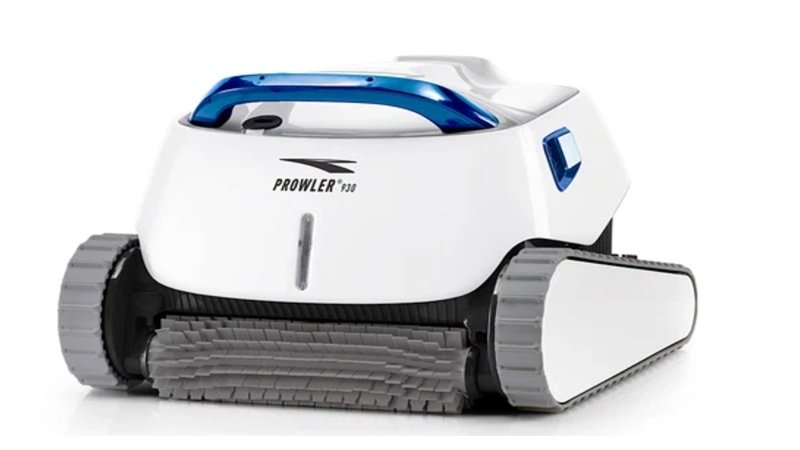
The purpose of an automatic pool cleaner is to streamline the process of maintaining your pool by moving around the pool and picking up dirt, leaves, and debris.
Some pool owners find that their automatic cleaner gets stuck in the main drain instead of completing its cleaning cycle. This common issue can reduce cleaning efficiency and limit pool coverage.
Several factors can cause the problem, including suction settings, hose length, worn components, and drain cover design. Identifying the cause can help you adjust the cleaner and improve its movement around the pool.
Why Does the Main Drain Cause Problems?
The main drain is located at the bottom end of most swimming pools and directs water to the pool filtration system.
The structure and water circulation may sometimes cause an automatic pool cleaner to not move as designed. This could be caused by the type of cleaner, the suction power, the design of the pool and the cover of the drain, causing the cleaner to stop, rotate back and forth, or even get stuck.
Excessive Suction around the Drain
The most frequent cause of a suction side pool cleaner becoming trapped is too much suction.
Suction cleaners use the pool’s filtration system to operate so unusually strong suction around the main drain can draw the cleaner towards it.
In this case, the cleaner will not be able to move it and will need to be physically removed.
Adjusting the suction settings in your pool can promote cleaner circulation in the pool.
Incorrect Hose Length
Another factor that can impact cleaner performance is how long the hose is.
Too short a hose and the cleaner might not be able to work properly throughout the pool. Exceeding length can cause loops of hose that hinder movement or make the cleaner loop around the drain.
Most manufacturers have guidelines to follow regarding hose length and the type of pool.
It is easier for the cleaner to move down the hose if it is correctly fitted.
Worn Cleaner Components
The normal wear over time can impact the ability of an automatic pool cleaner to move around.
Items to be inspected are
- Shoes or pads
- Wings
- Footpads
- Wheels
- Tracks
- Brushes
- Diaphragms
- Flappers
As these parts wear down, the cleaner may lose traction or struggle to move, which can cause it to get stuck in the main drain or on uneven surfaces.
Replace worn parts according to the manufacturer’s recommendations to keep the cleaner working efficiently and maintain its cleaning performance.
Pool Water Flow May Need Adjustment
Cleaner operation is strongly dependent on water flow.
When the water flow is too low, the cleaner might struggle to detach itself from the drain. However, excessive water flow can pull the cleaner toward the drain opening more frequently. As a result, adjusting the flow to the recommended level can help the cleaner move around the pool more effectively.
The recommended operating flow for your suction-side pool cleaner can help balance the flow and cleaning efficiency.
Drain Cover Design
Drain covers aren’t a one-size-fits-all item.
Older covers may have a raised design that can trap a cleaner wheel, brush, or foot pad.
Modern anti-vortex drain covers often improve safety and reduce the risk of equipment getting trapped.
If your cleaner repeatedly gets caught in the same drain, inspect the drain cover to determine whether its design causes the problem.
Cleaner Float Position
Many suction cleaners have floats to assist in keeping the hose in position.
Additionally, the cleaner’s angle may change when the float sits outside the recommended position. As a result, the cleaner may have a higher risk of getting trapped in the main drain.
Refer to the manufacturer’s set-up guide to make sure that the float is properly set.
Obstacles on the Pool Floor
Cleaners may be hindered in their movement by debris around the main drain.
Leaves, twigs, or other material can gather around the drain cover and make it difficult for the cleaner to get away.
If the floor is not too clogged, the cleaner will be able to work more efficiently.
Tests for Air in Hose
Inhalation of air through the cleaner hose can lead to a reduction in the effectiveness of the suction.
Possible causes include:
- Loose hose connections
- Cracked hose sections
- Worn O-rings
- Improperly sealed fittings
Removing trapped air from the hose before operating the cleaner helps maintain consistent suction.
Verify Proper Cleaner Setup
Sometimes the issue is simply incorrect installation.
Don’t assume it is a problem with the cleaner; double check:
- Hose length
- Float placement
- Flow regulator installation
- Skimmer connection
- Suction adjustment
The overall cleaner movement is often enhanced by minor setup corrections.
Regular Maintenance Improves Performance
Normal care ensures the automatic pool cleaner can provide consistent service during the swimming season.
Regular maintenance includes:
- Washing the cleaner following its use
- Inspecting hoses
- Replacing worn components
- Emptying skimmer baskets
- You can use the cleaning filter to remove debris from the pump basket.
- Properly maintaining the water chemistry
Operating problems reduce with the well-maintained equipment.
When Professional Assistance May Help
If after making adjustments, your cleaner is still getting stuck, then further examination could be of benefit.
A pool professional can evaluate:
- Pump performance
- Suction levels
- Plumbing configuration
- Cleaner condition
- Drain cover compatibility
They can also spot problems that may not be apparent when the system is being routinely maintained.
Final thoughts
An automatic pool cleaner that gets stuck in the main drain can frustrate pool owners. Common causes include incorrect suction settings, worn parts, improper hose length, and unsuitable drain cover designs. Regular inspections, proper setup, and routine maintenance can help your cleaner move more efficiently and keep the pool clean.
No matter which type of automatic swimming pool cleaner you choose, there are some common pool problems that you can check that will make your cleaner move around easier, cover the entire pool and keep the water cleaner without much interruption.